

McFeast
Ask a Swede about McDonald’s and the McFeast comes up fast. It looks like a Quarter Pounder dressed for summer, with lettuce, tomato and onion under a creamy sauce, and that sauce is the whole reason people miss it when they move abroad. It is a simple, fresh-tasting burger that never made it onto the American menu, which only adds to its reputation.
The story
The McFeast is Sweden’s own McDonald’s burger. It was introduced there in the early 1980s, and no other local burger has stayed on the Swedish menu as long; the other Nordic countries later copied it under the same name, and Finland has had it since its first McDonald’s opened. The Swedish version is a quarter-pound patty with lettuce, onion, tomato and a mayonnaise-style sauce sharpened with lemon juice, with no ketchup. The sauce became a product of its own: Swedish restaurants sell McFeast sauce as a dip, and a vegan version went into the McVegan in 2018. Australia sold a different McFeast Deluxe until the late 1990s and brought it back in 2009 and 2011.
What’s inside
- large beef patty
- lettuce
- tomato
- onion
- McFeast sauce
- sesame seed bun
Make it at home
My copycat first, then everything I built on top of it.- My copycat
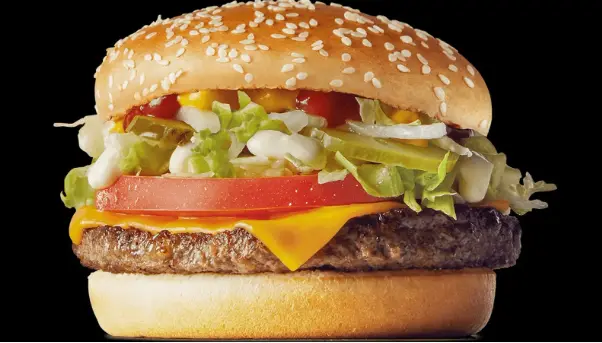 McDonald's McFeast (Copycat)
The McFeast on YouTube
Everyone who has cooked, copied or taste-tested it on camera.
Similar burgers at other chains
Built around the same things as the McFeast.- In-N-Out Burger · beef
 Hamburger
- Freshness Burger · beef
 Salsa Burger
- Pal's Sudden Service · beef
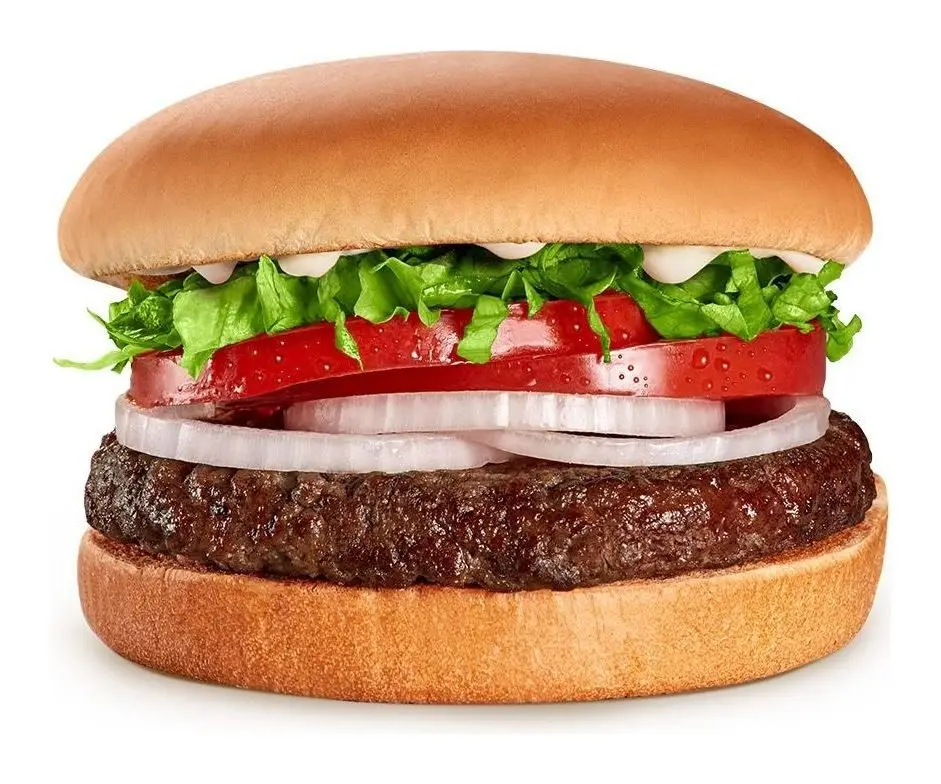 SignatureBig Pal
- Friendly's · beef
 SignatureAll American Burger
More from McDonald's
About McDonald's
Nobody sells more burgers. McDonald’s began as a single drive-in run by Richard and Maurice McDonald in San Bernardino, California, and became a burger machine in 1948, when the brothers threw out most of the menu and rebuilt the kitchen like a production line. Ray Kroc, a salesman who sold them milkshake mixers, started franchising it in 1955 and later bought the brothers out.
More than 40,000 restaurants in over 100 countries.
Not affiliated with McDonald's. Trademarks belong to their owners.